
There are two Chinas. One China exists in Beijing, Shanghai, Guangzhou, and Hong Kong. The other China exists in the rest of the country. The main reason these places are as good as different countries is because of development and Westernization.
In short - this
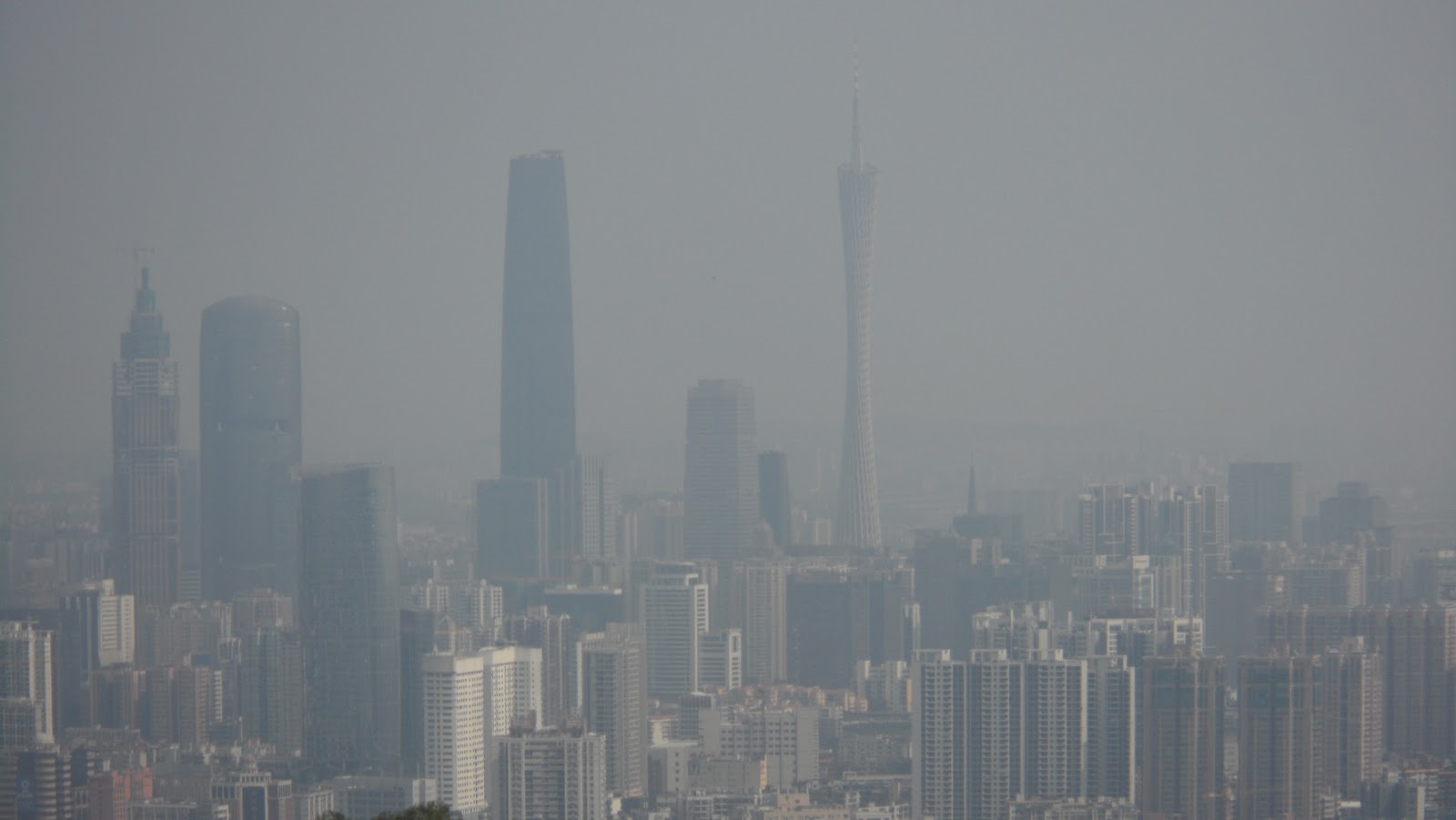
versus this:
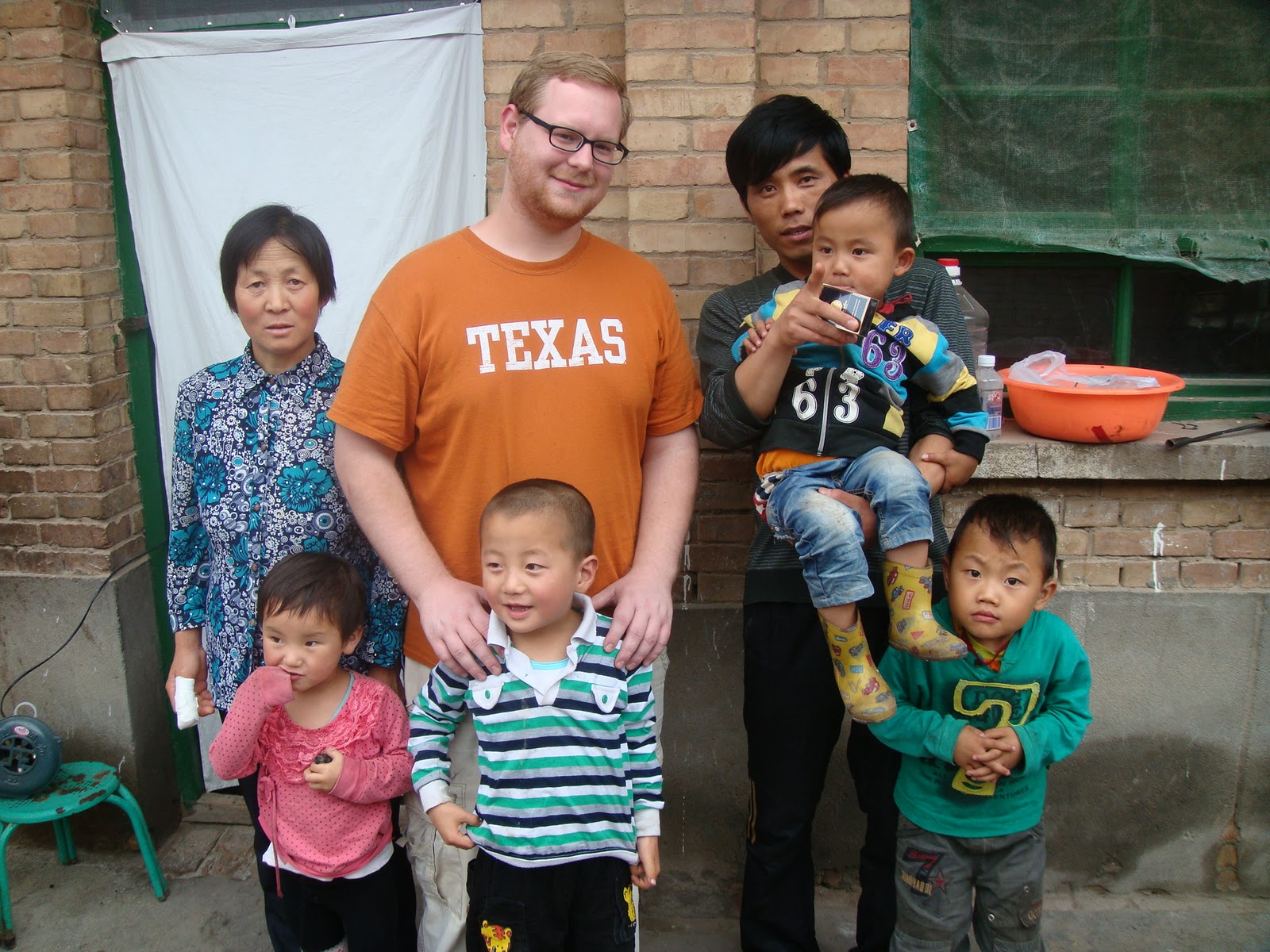
It's a world of difference.
One is even able to find different countries and different worlds even within these Westernized cities. For example, in Beijing, I stayed in hotels and homes far away from the brightly lit and English speaking shopping districts - places with no foreigners and no English speakers - places where speaking Chinese is needed to survive. Even the country’s capital has poor places to rival the images we see of Indian and African slums. These places have one room shacks, trash-strewn alleys and streets, and poorly-clothed people and children.

Beijing Alleyway/Slum
Not all areas of China are as beautiful as Wangfujing or Tiananmen Square.

Wanjfujing Shopping District
This is simply reality in China - some areas are incredibly beautiful and amazing to behold, but some areas are poor, polluted, dirty, and difficult to live in. The same is true in every country, and China is no exception. If you want to find a new, excited, fast-paced way of life, you can find it. If you want to find a more rural, relaxed, and traditional environment, you can also find it.

Within these alleys one can find all sorts of food and community. The elderly sit in the courtyards between their houses or on the street and play chess and watch the passers-by and families come and go as they go to work and pick up their children from school. It is obvious that most of these people know each other and see each other daily, so it is truly a community in the utmost sense of the word. Sadly, these areas are dwindling year by year as some are bulldozed annually to make way for apartment and business building, but some are legally protected by the government as cultural landmarks.

(Pic: The building I stayed in in 永泰小区)
Because Mandarin Chinese is based on the Beijing dialect, understanding the local language presents few problems to the Mandarin learner, in stark contrast to the rest of China, which has numerous dialects. Dialects will be discussed in full in a later chapter.
Away from the Hutongs are the huge (and expensive) shopping districts of Wangfujing, which is famous throughout China and contains its share of English speakers. The area is brightly lit with lights resembling rain on many streets and modernization is everywhere. Nearby Chang’e Avenue is stuffed with cars, government buildings, and Tiananmen Square lies in the heart of downtown.

These famous and developed areas of Beijing, just like other famous areas in China, are not much different than the big cities of America. They will, of course, be Chinese, but the feel of these areas and the look of them will be approximately the same. The people who wish to travel to China, but not get uncomfortable with the language difficulty or see and experience things that might shock them will feel right at home in these areas.
In China’s poorer and less-developed regions away from the east coast, one will find a completely different world of Chinese culture. You can see crowds of people practicing Tai Chi on the streets, doing exercises, playing cards or chess or mahjong, quietly sipping tea and watching the traffic, or downing a few beers with friends and talking to passersby. These things happen in Beijing and the other big cities, but not as much. The environment of the smaller cities very much enhances the feeling of community and people are more relaxed and take things easier.
A strange phenomenon emerges in many poor areas of the world, including China. In the poorer and less-developed areas, people have less money and live in poorer conditions, but seem to be much happier and content people overall than the wealthy and comfortable people in the cities. The nicest, happiest, and most hospitable people I ever met in China lived in a small 7‘x11’, one room house with very few possessions, no private bathroom, no shower facilities, and even their house was not fully closed to the houses on either side. The top 1.5 feet of the 10-foot wall was open to either side.

The most kind and hospitable people I have met, on the whole, live in what America calls poverty. The less people have, the more willing they are to share what they have with you. If you spend all your time in China’s big urban areas and never experience what life in rural China is like, you will have missed a wonderful opportunity.


